
Testing Tidal Influence on Bat Activity in Goa's Mangrove Ecosystems
A pilot study from Chorao Island, Goa, India — Wild Otters Research Group
Through acoustic monitoring and tidal analysis, Wild Otters Research Group explored whether bats in Goa's mangrove ecosystems adjust their activity patterns in response to tidal changes and fluctuating salinity levels. Made possible through the Titley Scientific loan program, the study was conducted using two Anabat Swifts on Chorao Island within the Mandovi–Mapusa estuary.
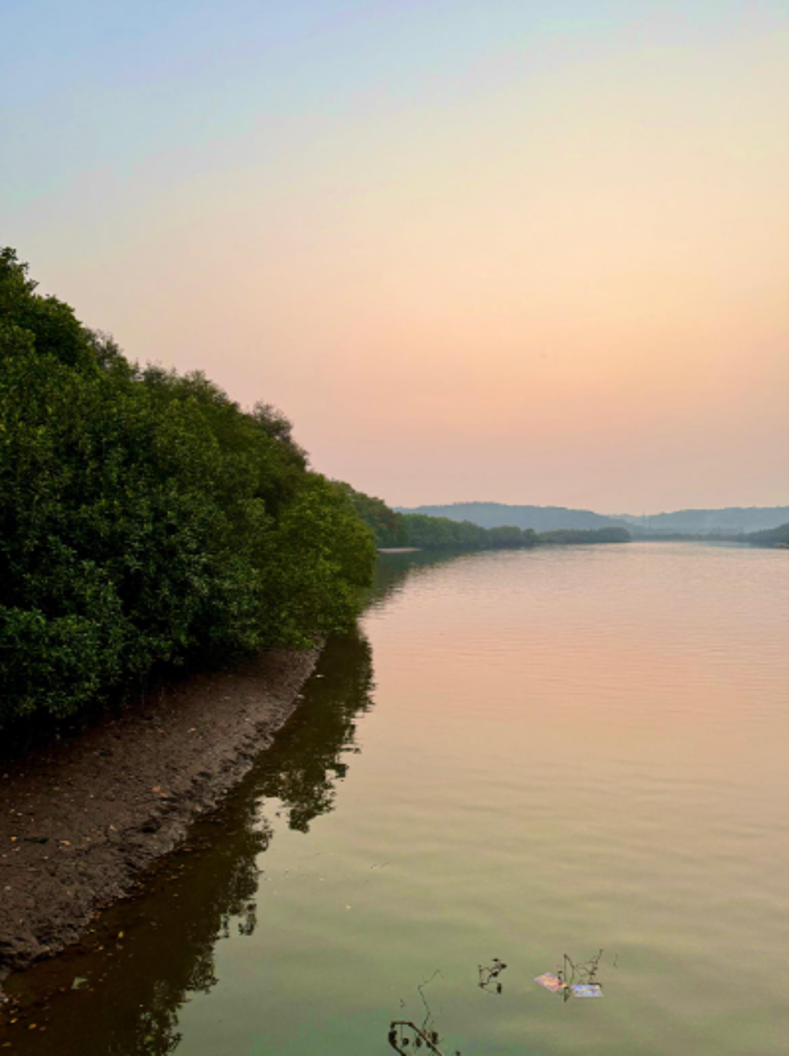
Chorao Island, Goa — mangrove and khazan aquaculture landscape within the Mandovi–Mapusa estuary
Why investigate tides and bats?
Mangrove and estuarine systems experience dramatic tidal fluctuations that influence salinity, habitat availability, and animal behaviour. Chorao Island is dominated by mangroves and traditional khazan aquaculture systems, where tidal water regularly inundates the landscape.
With very limited freshwater sources available during Goa's long dry season, the researchers investigated whether bats increase activity during low tides, when salinity levels are likely reduced — potentially providing bats with access to fresher drinking water in an otherwise saline environment.
What did the study find?
Bat activity peaked consistently between 18:00 and 20:00 regardless of tidal conditions, with substantially higher activity detected along the larger Mapusa River channel.
Although salinity increased during high tides as expected, statistical testing found no significant difference in bat activity between high and low tide periods. The findings suggest that time since sunset was a much stronger driver of bat activity than tidal state during the study period.
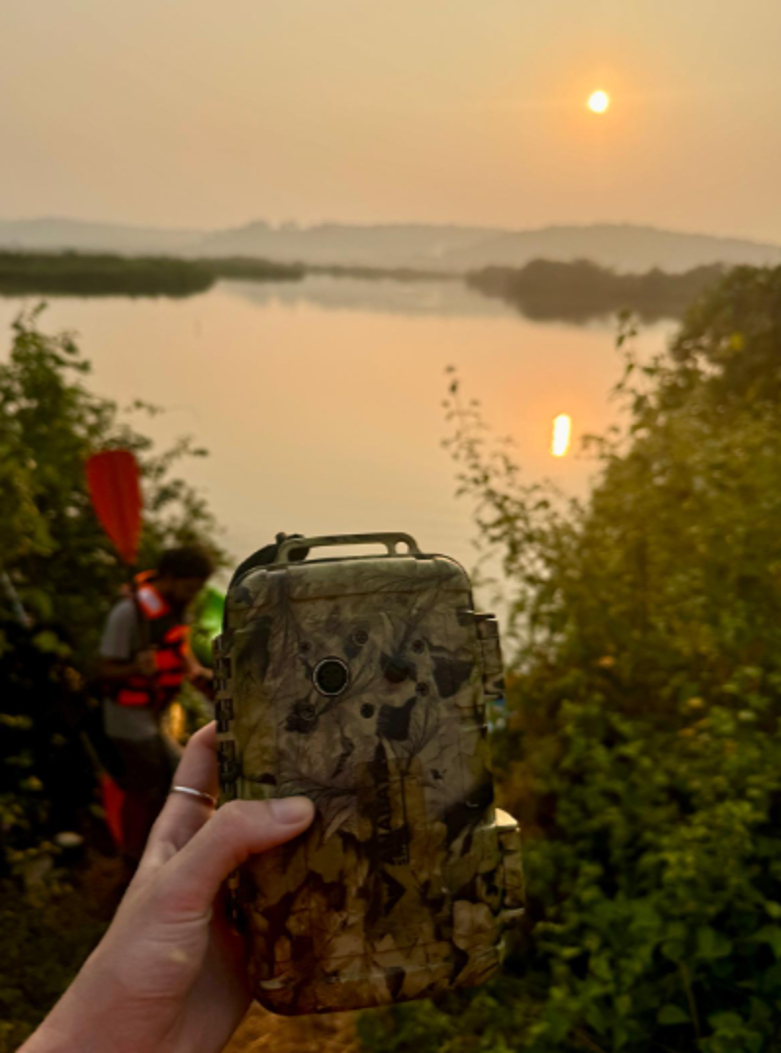
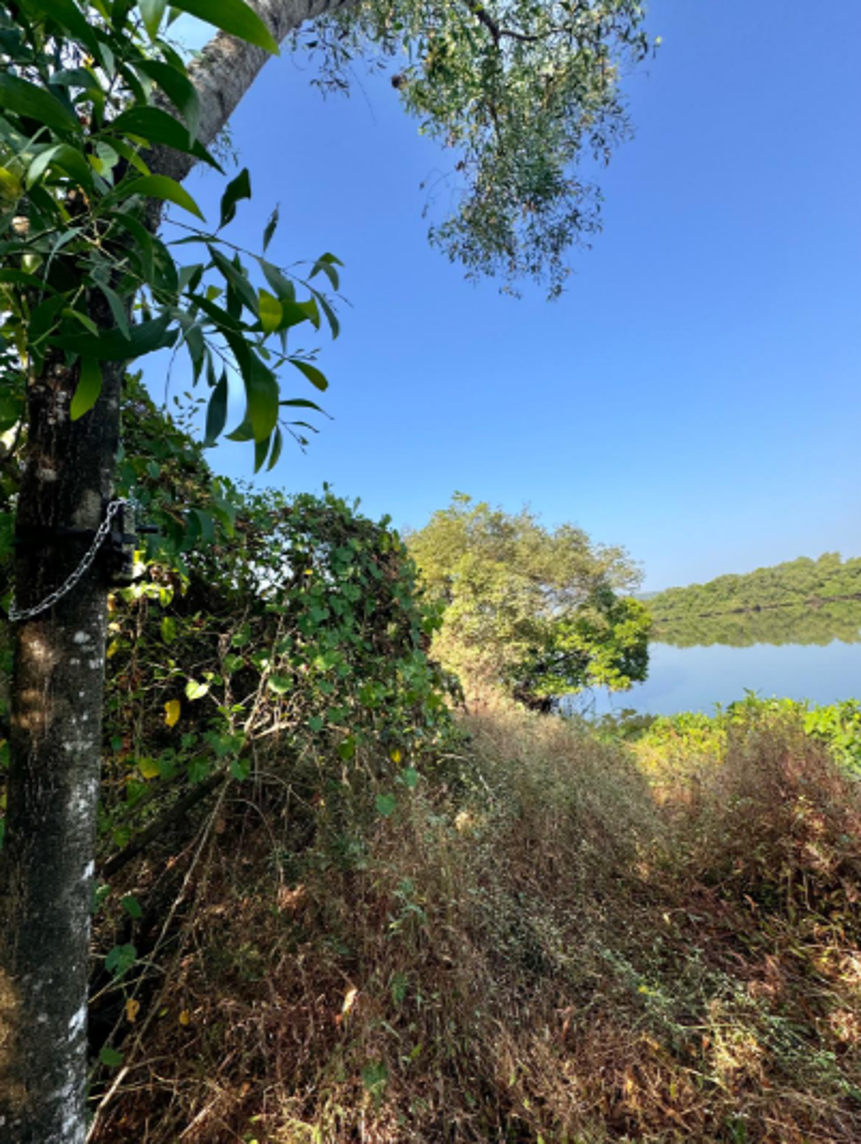
Anabat Swift deployed in the field during the study
Limitations and future research
As a short-term pilot study, the research captured only a limited range of tidal conditions. The authors note that a longer-term monitoring program spanning several months would provide a more robust understanding of whether extreme tidal conditions influence bat behaviour.
Future work may also focus on identifying species-specific responses, particularly among Rhinolophidae bats, which can be more reliably identified acoustically and may exhibit stronger behavioural adaptations to changing salinity.
Mangrove ecosystems remain understudied in bat ecology despite supporting high biodiversity and important commuting and foraging habitat. This study provides valuable baseline data for understanding how bats utilise tropical estuarine systems and highlights the importance of long-term acoustic monitoring in coastal environments.
- Atekwana, E.A. et al. (2022) "Tide-salinity patterns reveal seawater-freshwater mixing behavior at a river mouth and tidal creeks in a tropical mangrove estuary," Journal of African Earth Sciences, 196, p. 104684. https://doi.org/10.1016/j.jafrearsci.2022.104684
- de la Iglesia, H.O. and Johnson, C.H. (2013) "Biological Clocks: Riding the Tides," Current Biology, 23(20), pp. R921–R923. https://doi.org/10.1016/j.cub.2013.09.006
- Fernandez, K. (2025). Conversation with Katrina Fernandez. www.wildotters.com
- Madroñal, M.H. and Relox, R.E. (2024) "Species-Habitat Relationship of Bats and Mangroves in the Selected Coastal Areas in Northern Mindanao, Philippines," Biodiversity Journal, 15(4), pp. 885–896. https://doi.org/10.31396/Biodiv.Jour.2024.15.4.885.896
- Sonak, S.M. (2014) Khazan Ecosystems of Goa: Building on Indigenous Solutions to Cope with Global Environmental Change. Dordrecht: Springer Netherlands. https://doi.org/10.1007/978-94-007-7202-1
- Thorne, K.M. et al. (2019) "Flooding regimes increase avian predation on wildlife prey in tidal marsh ecosystems," Ecology and Evolution, 9(3), pp. 1083–1094. https://doi.org/10.1002/ece3.4792
- Wilcockson, D. and Zhang, L. (2008) "Circatidal clocks," Current Biology, 18(17), pp. R753–R755. https://doi.org/10.1016/j.cub.2008.06.041
- Wisha, U.J. and Kusumah, G. (2019) "Tidal Current Influence on Distributing Submarine Groundwater Discharge (SGD) Area in the North Lombok Waters, Indonesia," Jurnal Ilmiah Perikanan dan Kelautan, 11(2), pp. 29–39. https://doi.org/10.20473/jipk.v11i2.13289